



PRP Joint Injections in Dublin

Consultant-led platelet-rich plasma (PRP) treatment for selected joint, tendon and soft tissue conditions, delivered by an experienced Consultant Orthopaedic Surgeon at Excel Clinic’s state-of-the-art clinic in Portmarnock, Dublin.

PRP Joint Treatment - At A Glance

Technique

Ultrasound guided injections

Specialist

Consultant Orthopaedic Surgeon

Treatment Course

3 Injections Over Several weeks

Recovery

Minimal downtime

Specialist PRP Joint & Soft Tissue Injections in Dublin

At Excel Clinic in Portmarnock, Dublin, we offer advanced platelet-rich plasma (PRP) injections for selected joint and soft tissue conditions, delivered by a Consultant Orthopaedic Surgeon specialising in PRP, BMAC and regenerative medicine.

All injections are performed under real-time ultrasound guidance to support accurate needle placement, using PRP prepared with our advanced EffiSpin system.

Our approach combines specialist assessment, modern technology and individualised treatment plans for patients seeking non-surgical options for persistent joint and tendon pain.

What is Plate-rich Plasma (PRP)?

Platelet-rich plasma, commonly known as PRP, is a treatment prepared from a small sample of your own blood.

Blood naturally contains platelets, which contain proteins and growth factors involved in the body’s normal healing processes. During PRP treatment, your blood is processed to produce plasma containing a higher concentration of platelets than the original blood sample.

The prepared PRP is then injected into the affected joint, tendon or other appropriate treatment area.

PRP is an autologous treatment, meaning it is prepared from your own blood rather than from donor material.

At Excel Clinic, PRP is provided as part of a specialist orthopaedic service. Your condition is first assessed by our Consultant Orthopaedic Surgeon to determine whether PRP – or another treatment – is most appropriate for you.

Which joints can PRP treat?​

PRP injections may be considered for selected joint and soft tissue conditions, including osteoarthritis and persistent tendon problems. Our Consultant Orthopaedic Surgeon performs all injections under ultrasound guidance.


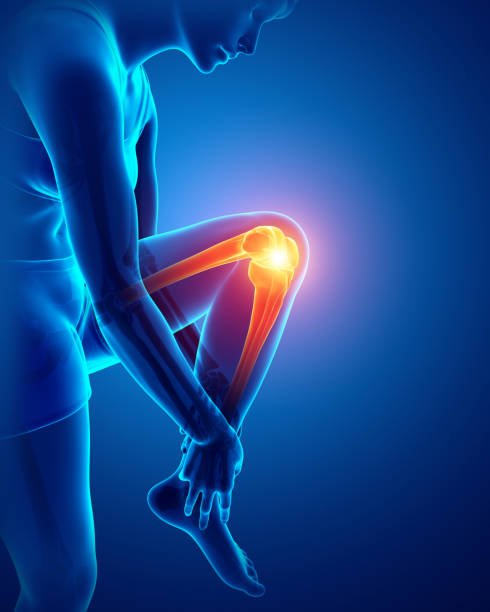
Knee

PRP may be considered for selected patients with knee osteoarthritis and certain other knee conditions, with the aim of improving pain and function.

shoulder pain

Shoulder

PRP may be considered for selected shoulder conditions, including certain tendon disorders and degenerative joint problems.

Hand

PRP may be considered for selected painful or degenerative conditions affecting the small joints of the hands, including certain cases of osteoarthritis.

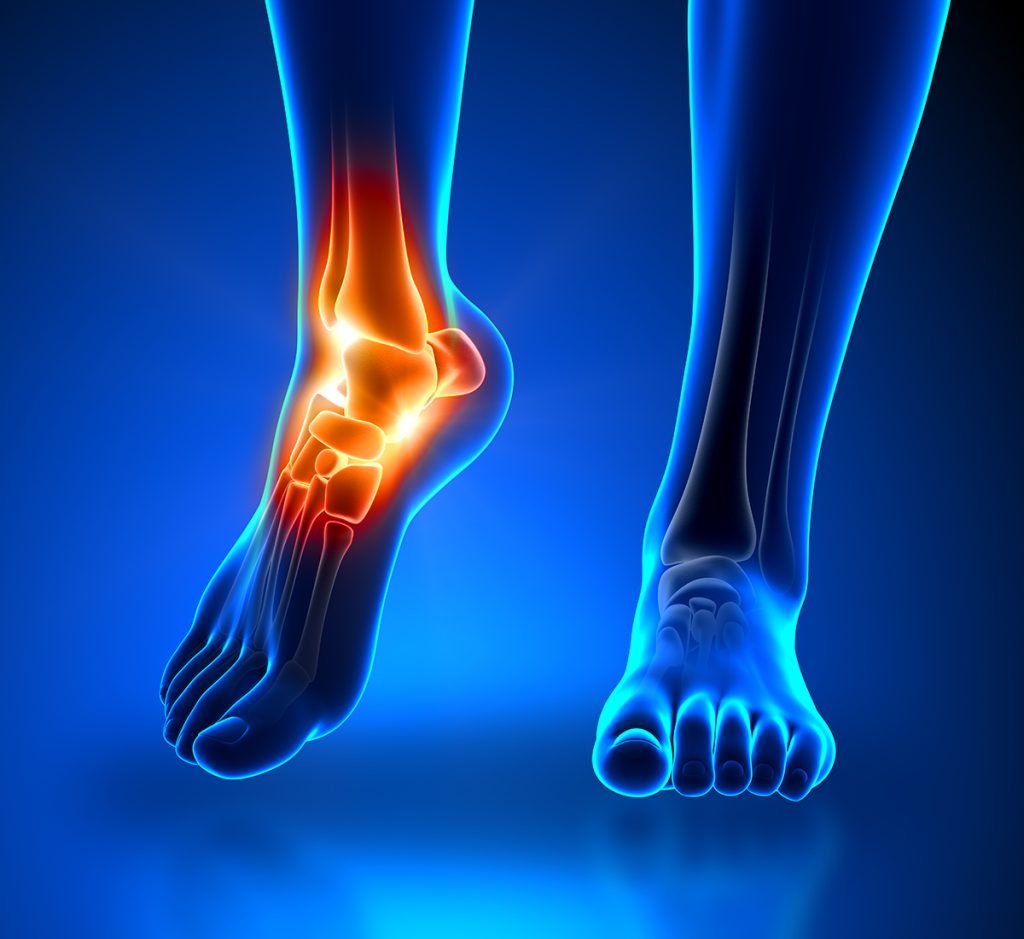
Foot

Selected painful or degenerative conditions affecting the small joints of the feet may be considered for PRP treatment following specialist assessment.

foot pain

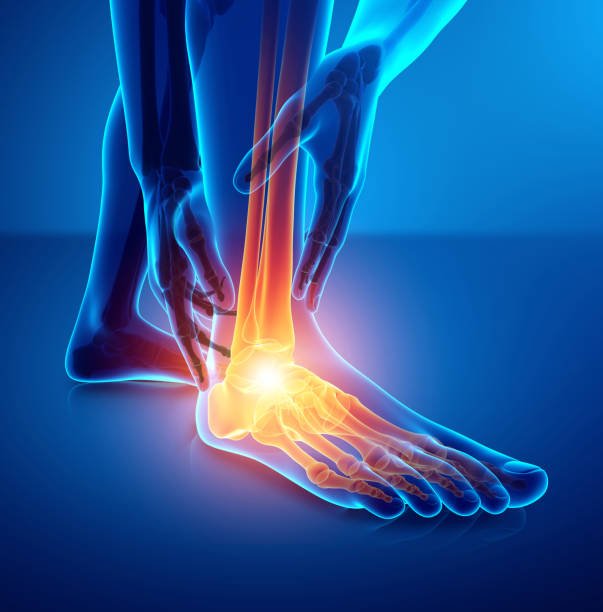
Ankle

Selected ankle joint conditions, including some cases of osteoarthritis, may be considered for PRP treatment.

tennis golfer elbow pain

Tennis and Golfer's Elbow

PRP may be considered for persistent tennis elbow (lateral epicondylitis) and golfer's elbow (medial epicondylitis), both of which affect the tendons around the elbow.

plantar fascitia sole of foot pain

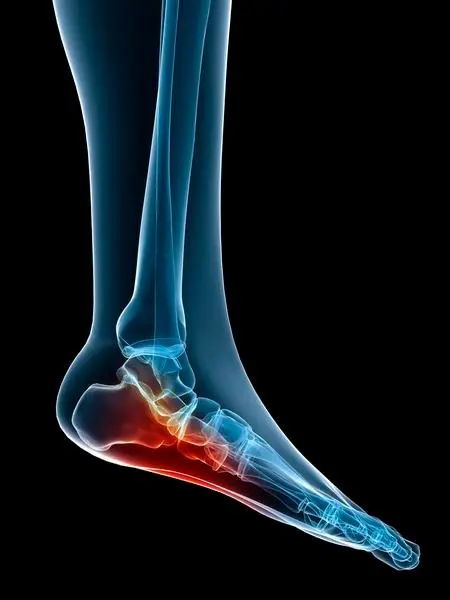
Plantar Fascitis

PRP may be considered for persistent plantar fasciitis (plantar heel pain), particularly where symptoms have not responded adequately to appropriate conservative treatment.

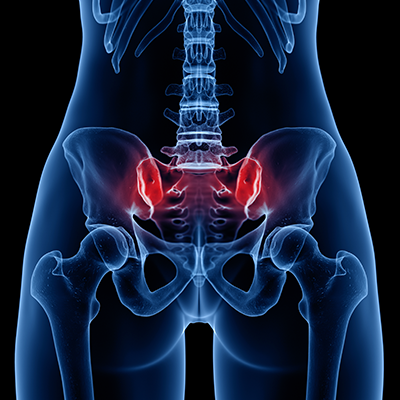
Sacroiliac Joint

The sacroiliac joints connect the lower spine to the pelvis. PRP may be considered in carefully selected cases of persistent sacroiliac joint pain, although clinical evidence for this indication remains limited.

PRP Injections for knee osteoarthritis

Knee osteoarthritis is one of the most common joint conditions for which PRP treatment is considered.

Osteoarthritis involves changes within the joint affecting the cartilage and surrounding structures. It can cause joint pain, stiffness, swelling and reduced mobility, sometimes significantly affecting exercise and everyday activities.

For selected patients with symptomatic knee osteoarthritis, PRP may be considered as part of a non-surgical treatment plan.

The aim of treatment is to help improve symptoms and joint function. PRP does not cure osteoarthritis or reliably regrow damaged cartilage, and results vary between patients.

At Excel Clinic, your knee pain is first assessed by a Consultant Orthopaedic Surgeon. Your symptoms, examination findings, previous treatments and relevant imaging can be considered before deciding whether PRP is appropriate.

This is particularly important because not all knee pain is caused by osteoarthritis, and PRP is not necessarily the best treatment for every patient with knee pain.

Can PRP Injections help knee osteoarthritis?

Research suggests that some appropriately selected patients with knee osteoarthritis may experience improvements in pain and function following PRP treatment.

However, individual responses vary and improvement cannot be guaranteed.

Our approach is therefore based on appropriate patient selection rather than simply offering PRP to everyone with joint pain.

Your Consultant Orthopaedic Surgeon will discuss the potential benefits, limitations and alternative treatment options with you before recommending treatment.

Specialist regenerative joint care

More Than Just a PRP Injection

At Excel Clinic, PRP treatment forms part of a specialist approach to managing joint and musculoskeletal conditions.

Our Consultant Orthopaedic Surgeon has specialist expertise in PRP, BMAC and regenerative medicine for joint conditions.

This means your appointment begins with understanding your diagnosis and treatment options – not simply deciding where to inject PRP.

Depending on your condition, your consultant can discuss whether PRP is appropriate or whether another treatment approach may be more suitable.

For selected patients, more advanced orthobiologic options such as Bone Marrow Aspirate Concentrate (BMAC) may also be considered.

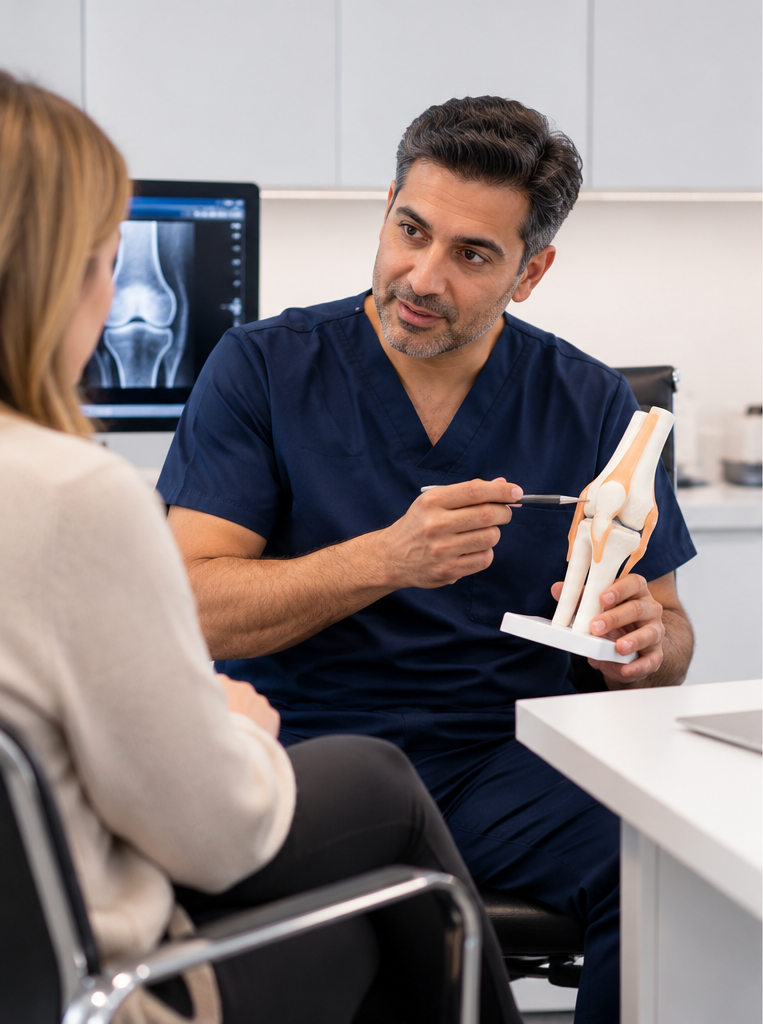
consultation for joint prp injections

Advanced PRP Technology

PRP Prepared Using the EffiSpin System

The preparation of platelet-rich plasma is an important part of PRP treatment.

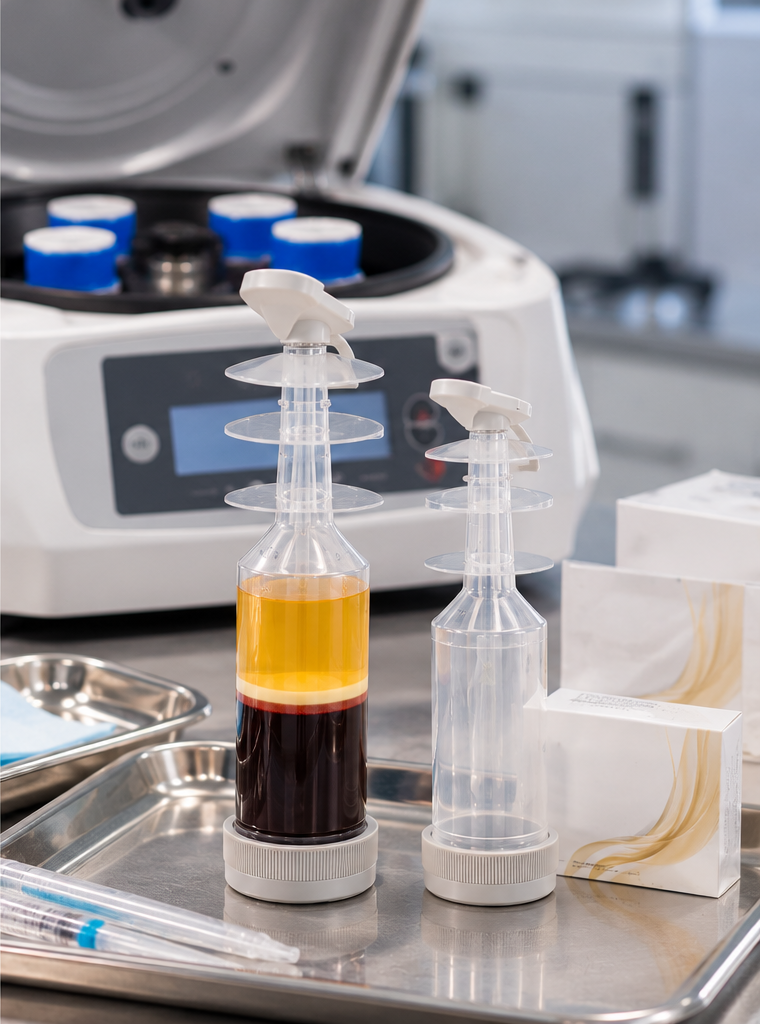
At Excel Clinic, we use the EffiSpin PRP system to process the patient’s own blood and prepare the platelet-rich plasma used for treatment.

This dedicated PRP technology is used within our modern clinical environment as part of our commitment to delivering specialist orthopaedic care using advanced equipment and state-of-the-art facilities.

PRP technology is only one part of successful treatment. Appropriate diagnosis, patient selection and treatment planning by an experienced clinician remain equally important.

prp machine with prp for joint injections

Why Choose Excel Clinic for PRP Injections?

HSE waiting lists for carpal tunnel surgery currently stretch to 18 months to 2+ years in many parts of Ireland. We’ve designed our service to be as efficient — and cost-effective — as possible for patients travelling from across Leinster and beyond.

Expert Surgeons

Your care is led by a Consultant Orthopaedic Surgeon rather than PRP being provided as a standalone injection service.

Advanced Facilities

Treatment takes place at our modern private clinic in Portmarnock, Dublin.

Structured Treatment Plan

Where appropriate, PRP can be provided as a structured treatment programme with planned injections and subsequent specialist review.

Advanced PRP Technology

We use a specialist PRP preparation system for joints to process your blood sample and prepare platelet-rich plasma for your treatment.

Meet your Surgeon

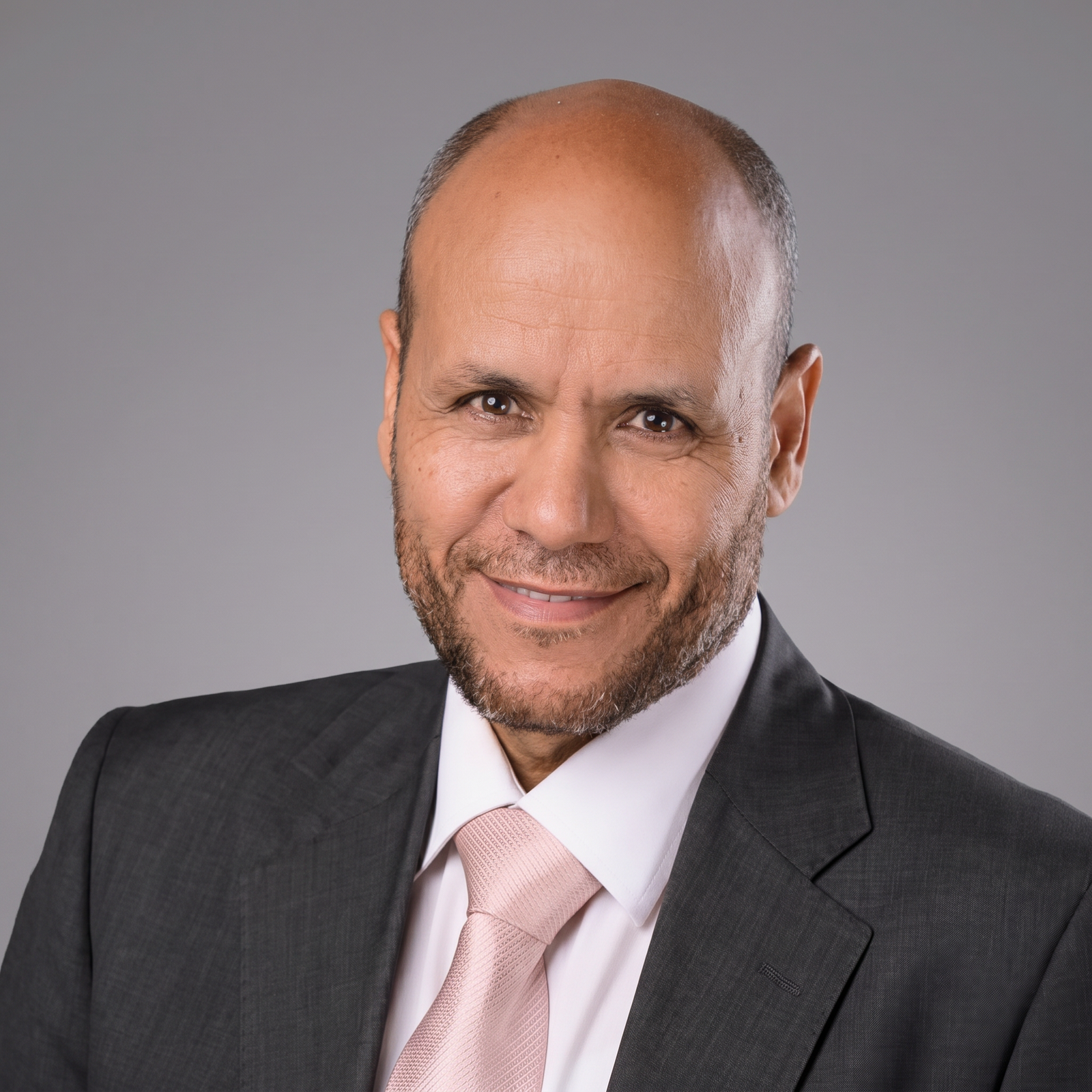
Dr Mohamed Shaalan
Consultant Orthopaedic Surgeon
FEBOT, RMES, MRCS, MD

Our Consultant Orthopaedic Surgeon has a specialist interest in joint preservation, PRP, BMAC and regenerative medicine, alongside extensive experience in the assessment and management of orthopaedic conditions.

At Excel Clinic, the emphasis is on selecting the right treatment for the right patient.

Your consultant will assess the cause of your symptoms and discuss the treatment options available to you. If PRP is unlikely to be appropriate for your condition, alternative approaches can be discussed rather than proceeding with an unnecessary injection.

Dr Shaalan Orthopaedic surgeon in Dublin - Excel Clinic

Your PRP Journey

1. – Consultant Assessment

Meet with our Consultant Orthopaedic Surgeon to discuss your symptoms, medical history, previous treatments and treatment goals.

2. Blood Collection

A small sample of your own blood is taken, similar to having a routine blood test.

3. PRP Preparation

Your blood is processed using our PRP system to prepare the platelet-rich plasma optimised for treatment.

4. PRP Injection

The prepared PRP is injected into the appropriate treatment area under ultrasound guidance.

5. Further Treatment

Where a course of PRP has been recommended, subsequent injections are usually performed according to your individual treatment plan.

6. Follow-Up

Patients completing our PRP treatment programme can be reviewed at approximately three months to assess progress and discuss the next steps.

Is PRP right for me?

PRP may be considered if you have a diagnosed joint or tendon condition and symptoms have persisted despite appropriate conservative treatment.

Whether PRP is suitable depends on factors including:

• The underlying cause of your pain
• The joint or tendon affected
• The severity of your condition
• Previous treatments
• Relevant imaging findings
• Your general health
• Your activity level and treatment goals

PRP should not replace appropriate rehabilitation, exercise or other established treatments where these are indicated.

A specialist orthopaedic assessment is the best way to determine whether PRP is an appropriate option for your condition.  If suitable, the PRP treatment may be carried out following the consultation.

Recovery after Joint PRP Injection

PRP is performed as an outpatient treatment and an overnight hospital stay is not required.

You may experience temporary aching, discomfort or swelling around the injection site following treatment.

Your consultant will provide individual advice about activity, exercise and rehabilitation based on the joint or tendon being treated.

PRP is not intended to provide immediate pain relief. Where patients respond to treatment, improvement may develop gradually in the weeks following treatment.

PRP vs BMAC – What's the Difference?

Both platelet-rich plasma (PRP) and bone marrow aspirate concentrate (BMAC) are treatments that use components collected from your own body. However, they differ in how they are prepared, how they are administered and the evidence supporting their use.

Comparison PRP Injections Specialist Treatment Option BMAC Treatment
Treatment Source Platelet-rich plasma prepared from a blood sample. Concentrated components collected from your own bone marrow.
Treatment Approach A minimally invasive injection treatment using concentrated platelets. A specialist procedure involving bone marrow collection, processing and targeted injection.
Treatment Process Blood collection, PRP preparation and ultrasound-guided injection. Bone marrow aspiration, concentration of the collected material and injection.
Treatment Course Usually three injections over approximately four weeks at Excel Clinic. Usually one BMAC procedure, with an individualised follow-up plan.
Recovery Generally shorter recovery following injection. May require additional recovery following bone marrow collection.
Suitability May be considered for selected joint and soft tissue conditions. May be considered for selected patients following detailed specialist assessment and discussion of the evidence and alternatives.
Explore BMAC Treatment →

Pricing

Single PRP Injection

Including the initial consultant assessment and ultrasound-guided injection

€500

Three-injection course

Including the initial assessment and planned follow-up.

€1,350

Combined PRP + BMAC Programme

Including the initial assessment and planned follow-up.

€3950

Consultation only

Consultation only

€150

Spread the cost of your treatment - 0% Finance options available

Joint PRP Cost in Dublin & Finance Options

We offer transparent, fixed-fee pricing for your treatments. Interest-free Finance options are available (subject to status). Enquire for more information.

Patient Reviews

Excel Clinic’s wider group has received hundreds of verified reviews, reflecting consistent standards of care, communication, and patient experience.

Had carpal tunnel surgery in my right hand and had a great result, all sensitivity and pins and needles gone. Super friendly and helpful and always at the end of a phone for any questions I had pre and post surgery.

Rated 5 out of 5

Lauren B.

Absolutely fantastic service again. Very professional and friendly. Put me at easy before having Carpal Tunnel Release Surgery. Would highly recommnd have had both hands done now and could not be happier.
Rated 5 out of 5

Melissa Scholes

I work with power tools all day — my hands are everything. I had  numb fingers and wrist pain during shifts, and it started to affect my grip on equipment.  Excel Clinic saw me quickly, and the whole team was fantastic.  I was back on site within three weeks, and my hand feels stronger than ever. 

Rated 5 out of 5

Alan R.

Frequently Asked Questions

PRP injections use platelet-rich plasma prepared from a sample of your own blood. The blood is processed to prepare the PRP, which is then injected into the affected joint, tendon or other appropriate treatment area.

PRP stands for platelet-rich plasma. It is a preparation made from a patient’s own blood containing a higher concentration of platelets than the original blood sample.

PRP may be considered for selected joint and tendon conditions, including knee osteoarthritis and certain conditions affecting the hip, shoulder, elbow, ankle and foot. Suitability depends on the underlying diagnosis.

PRP may be used for selected conditions affecting the knee, hip, shoulder, elbow and ankle, as well as certain tendon conditions. Your orthopaedic surgeon will determine whether PRP is appropriate for the particular joint and condition involved.

PRP may help improve pain and function in some appropriately selected patients with knee osteoarthritis. However, results vary and PRP does not cure osteoarthritis. Your Consultant Orthopaedic Surgeon can assess whether PRP is appropriate for your particular stage and pattern of knee disease.

The number of PRP injections required depends on the condition being treated. At Excel Clinic, selected patients may be offered a structured course of three PRP injections over four weeks, with treatments approximately two weeks apart and a follow-up review at around three months.

Your consultant will recommend the appropriate treatment programme for you.

PRP does not normally provide immediate pain relief. Where patients respond, improvement typically develops gradually over the following weeks. The response and timeframe vary between patients and conditions.

The duration of improvement following PRP varies considerably between patients and depends on the underlying condition, severity of disease, activity level and response to treatment. PRP cannot provide a guaranteed duration of symptom relief.

PRP and corticosteroid injections work differently and may be appropriate in different circumstances. Steroid injections can provide relatively rapid anti-inflammatory symptom relief, whereas PRP uses a preparation derived from the patient’s own blood. Neither treatment is universally better for every patient. Your orthopaedic surgeon can advise which approach is more appropriate for your diagnosis and circumstances.

You may be advised to temporarily reduce strenuous activity following PRP treatment. The timing of your return to exercise depends on the condition being treated and your individual treatment plan.

PRP is prepared from your own blood, so there is no exposure to donor blood. However, PRP is still a medical procedure and potential risks include pain, bruising, bleeding and infection. Your clinician will discuss the relevant risks with you before treatment.

Single Joint and soft tissue PRP injections cost aroun 500€.  Excel Clinic’s PRP Joint Treatment Programme is €1,350 and includes three PRP treatments over four weeks, treatment by a Consultant Orthopaedic Surgeon and a follow-up review at approximately three months.

Your consultant will advise whether this treatment programme is appropriate for your particular condition.

Excel Clinic provides specialist PRP joint and tendon injections at our state-of-the-art private clinic in Portmarnock, Dublin. Treatment is delivered by a Consultant Orthopaedic Surgeon with specialist expertise in PRP, BMAC and regenerative medicine for joint conditions, using the advanced EffiSpin PRP system.

Want personalised advice? Book your  Consultation  today and take the first step towards relief.

Book an Appointment

Complete and submit the form below to arrange your free video consultation!


How to find us

Our clinic is easy to access from Dublin and other parts of Ireland.

Free parking is available on site

By Car Easily accessible from Dublin city centre (20–25 mins), Swords (10–15 mins), Malahide (5 mins), Drogheda via M1 (45 mins), Navan (50 mins), Belfast via M1 (90 mins), and Cork via M8/M50 (2.5–3 hours). For patients travelling from outside Dublin, our one-stop service means assessment and surgery in a single visit — and virtual follow-up when suitable, means no second long journey.

By DART Portmarnock has its own DART station — approximately 25 minutes from Dublin Connolly. The station is a 3-minute taxi ride from our clinic (not walkable post-surgery). Belfast patients can take the Enterprise to Connolly then the DART directly. Pre-book your taxi from the station in advance — our team can help on the day.

By Taxi Uber, FreeNow and Lynk both serve Portmarnock. Please arrange your return taxi before your procedure.

From Dublin Airport Approximately 15 minutes by car or taxi (€16–€30).

Scroll to Top